Water Damage Drying Services
Water Damage Drying Services removes standing water, dries the structure to a documented target, and restores damaged rooms in homes and businesses throughout Westerly, South County, and southeastern Connecticut. The same local crew also provides fire and smoke cleanup, mold remediation, sewage backup cleanup, and contents restoration.
Westerly, RI 02891
Your request is sent directly to Water Damage Drying Services. Free estimate, no obligation.
weekends and holidays
for over three decades
first call to final bill
assessment
for frozen-pipe losses
Water Damage Drying Services Serving the Rhode Island Shoreline
For more than 30 years, Water Damage Drying Services has helped property owners recover from floods, fires, and storms throughout Westerly, RI and the surrounding coastline. Technicians measure moisture inside walls, subfloors, and framing, then use dehumidifiers and air movers until readings reach established drying targets. Their team handles both residential and commercial losses, from a soaked basement to an office building affected by a failed sprinkler head.
Water Damage Drying Services prioritizes restoring materials whenever possible rather than removing them unnecessarily. Drying a hardwood floor or plaster wall in place can cost less than replacing it, while also keeping the insurance claim more focused and manageable. When a material cannot be salvaged, the crew removes it, documents the damage for your adjuster, and keeps the restoration moving.
Coastal properties face their share of nor’easters, hurricane surge, ice dams, and oil-burner puffbacks, sometimes more than once in a year. The crew understands these local losses and can help you determine which issues require immediate attention and which can wait for your adjuster’s inspection.
At a Glance
Restoration Services from Water Damage Drying Services
Water Damage Drying & Restoration
Restoring water damage is a Water Damage Drying Services specialty. Water can quickly spread through drywall, insulation, and subfloors, creating conditions for microbial growth within about 24 hours. The goal is to remove moisture quickly and thoroughly before it causes further damage.
Water Extraction & Flood Cleanup
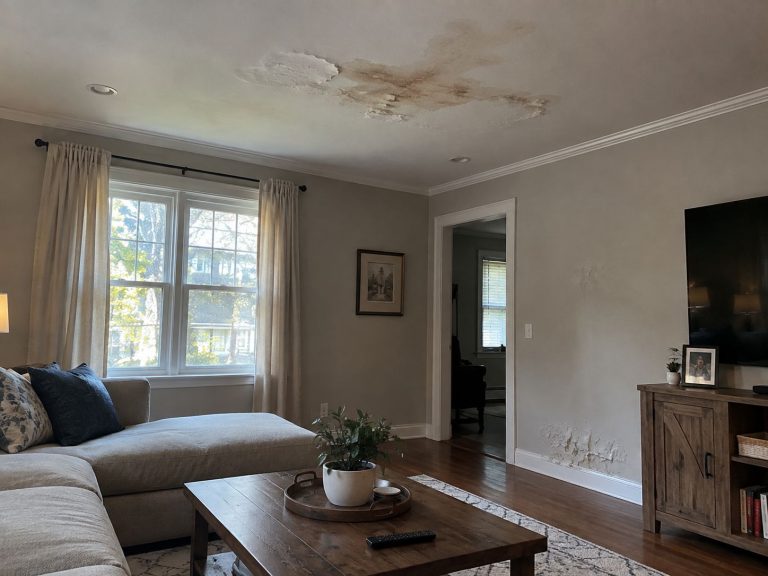
The first step is removing as much standing water as possible. Crews extract water from carpet, padding, tile, and concrete, pump out flooded basements, and clear away the silt and debris left behind by floodwater. The less water trapped in the structure, the faster the drying process can begin.
- Submersible pumps for basements and crawl spaces
- Weighted extraction for carpet and pad
- Silt and debris removal after flooding
Structural Drying & Dehumidification
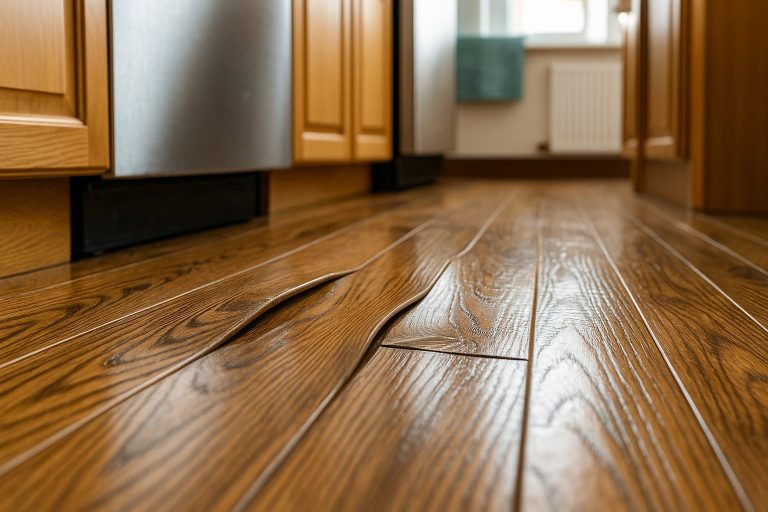
Once the standing water is gone, hidden moisture becomes the next concern. Technicians use moisture meters and thermal imaging to identify wet framing, subfloors, and other affected areas, then position commercial dehumidifiers and air movers to dry the structure. Moisture readings are recorded throughout the process, giving you and your adjuster a clear record of the drying progress.
- Moisture mapping with meters and thermal cameras
- Daily moisture readings and drying logs
- Drying in place for hardwood, plaster and cabinets where possible
Frozen & Burst Pipe Recovery
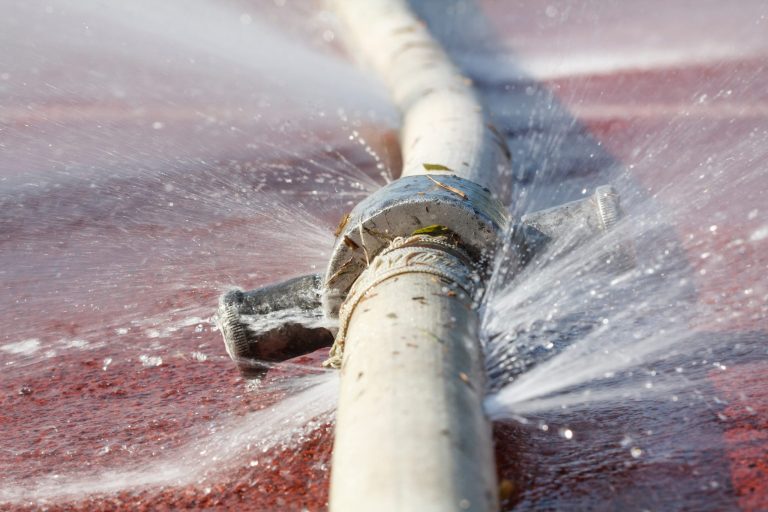
A pipe that bursts in January can send water through several floors before anyone notices. The crew stops the source, removes the standing water, and dries the affected areas. For cold-weather losses, Water Damage Drying Services can bring a trailer-mounted heat-drying unit with its own generator to warm an unheated home, helping walls and floors dry faster while reducing the risk of remaining pipes freezing.
- 24-hour response to burst and frozen pipes
- Heat drying for unheated or winterized homes
- Ice dam leak cleanup
Contents & Document Drying
Furniture, rugs, paperwork, and electronics can be damaged along with the structural materials. The team identifies what can be salvaged, then cleans and dries those items. When needed, they can pack belongings for off-site restoration and storage while your home is being repaired.
- Furniture, rug and upholstery drying
- Wet document and electronics restoration
- Pack-out and storage during repairs
Sewage Backup Cleanup
Sewage can carry bacteria and viruses, so a sewage backup requires a different approach than a clean-water leak. Technicians use protective equipment, remove contaminated materials, disinfect affected surfaces, and thoroughly dry the area. Porous materials that have been exposed to sewage, such as carpet and drywall, are typically removed rather than cleaned.
- Contaminated material removal and disposal
- Antimicrobial cleaning and disinfection
- Odor control after cleanup
Fire Restoration and Smoke & Puffback Cleaning
After the fire department leaves, the damage is often far from over. A home may still contain soot, lingering smoke odors, and water from firefighting efforts, all of which can cause additional damage if left untreated. The crew addresses these problems together, cleaning affected surfaces, removing odors, drying water-damaged areas, and helping restore the home to a safe, livable condition.
Fire Damage Restoration
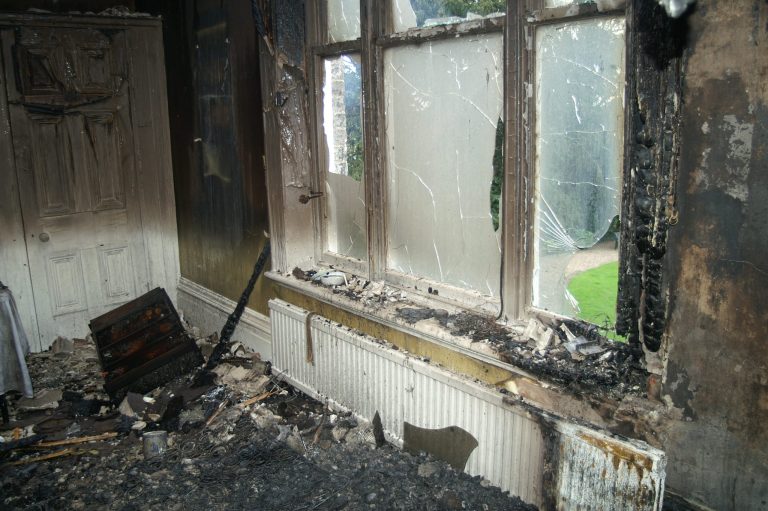
Crews first assess the property to determine what can be safely restored, then remove charred materials and dry areas affected by firefighting water. Walls, ceilings, and fixtures are cleaned using methods suited to the type of smoke and soot residue. Media blasting may also be used to remove heavy char from structural framing that can be safely preserved.
- Fire suppression water removal
- Char removal and structural cleaning
- Media blasting for framing
Smoke, Soot & Odor Removal
Smoke can penetrate insulation, ductwork, closets, and fabrics, leaving odors that linger long after visible soot has been cleaned away. Technicians clean affected surfaces, use air filtration and deodorizing equipment, and treat the materials where odors originate rather than simply masking the smell.
- Soot cleaning on walls, ceilings and contents
- Air filtration and deodorization
- Duct and HVAC cleaning after smoke exposure
Oil Burner Puffback Cleanup
Many older homes in Rhode Island and Connecticut still rely on oil heat. When a burner misfires, it can send oily soot through the ductwork and deposit a fine residue throughout the home. Because puffback soot can smear when wiped, the crew uses dry-cleaning sponges and specialty cleaners suited to the affected surfaces, belongings, and HVAC system.
- Whole-house soot cleanup
- Contents and fabric cleaning
- HVAC system cleaning to stop recirculation
Mold Inspection & Removal
Humid summers, heavy rain, and a wet coastline make mold a recurring concern in South County basements, attics, and crawl spaces. Finding and removing the visible growth is only part of the job. The underlying moisture source also needs to be identified and addressed so the problem does not return. The crew evaluates affected areas, determines the extent of the growth, and develops a removal plan based on the materials and conditions involved.
Mold Inspection & Air Quality Testing
Technicians look for visible mold as well as the moisture source allowing it to grow, including hidden areas behind walls and beneath flooring. Air quality sampling may help determine whether indoor spore levels are elevated compared with outdoor levels, providing additional information when mold is not readily visible.
- Moisture source investigation
- Air quality sampling
- Clear explanation of what was found
Mold Removal & Prevention
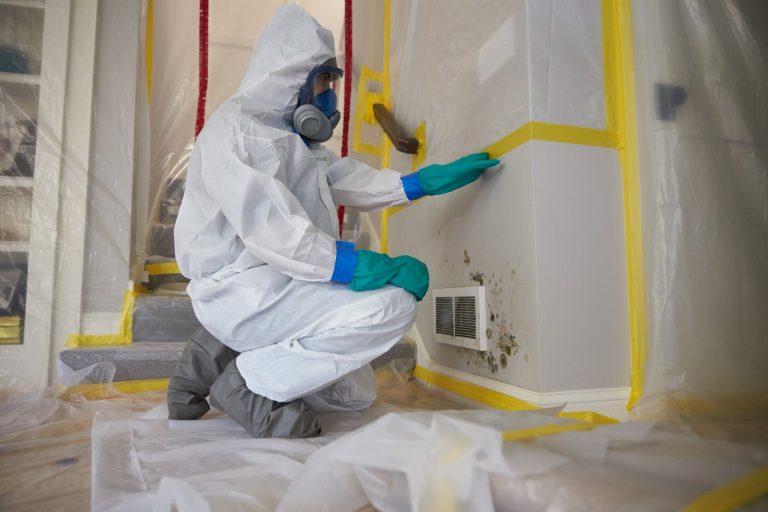
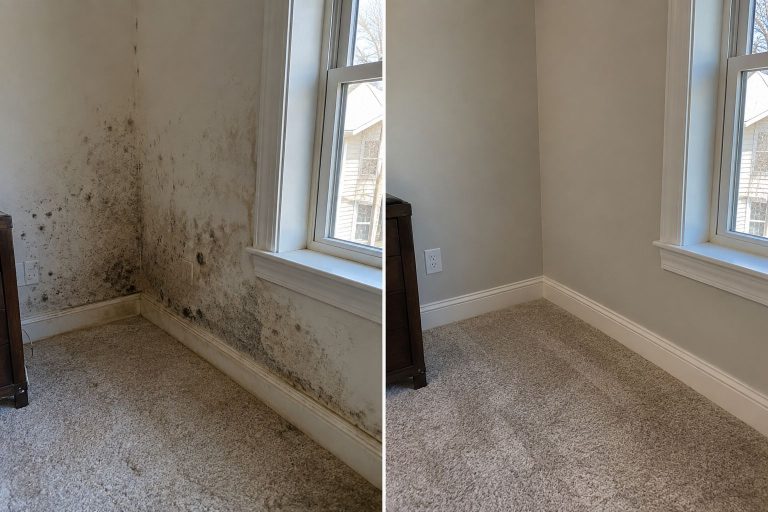
Technicians contain the work area to help prevent spores from spreading, use HEPA air filtration, and clean or remove affected materials as appropriate. Once the mold is addressed, they dry the space and recommend ways to control humidity and prevent future growth, such as improved ventilation or a basement ventilation system.
- Containment and HEPA filtration
- Removal of contaminated drywall, insulation and wood
- Drying and moisture control to prevent regrowth
Board-Up, Storm & Specialty Cleanup
Not every property loss fits neatly into water, fire, or mold restoration. Water Damage Drying Services also responds to storm damage, emergency board-ups, and other specialty cleanup needs that can leave a home or business exposed to further damage. Many of these services are available on the same 24/7 schedule, so help is available when an unexpected problem cannot wait until morning.
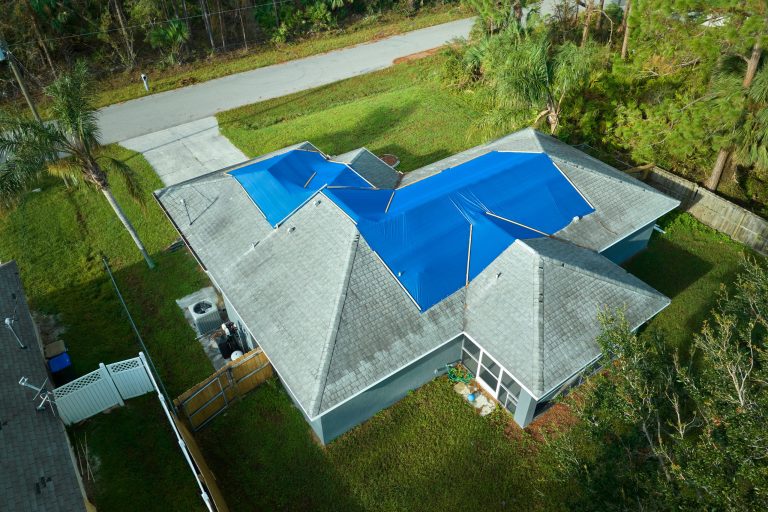
Emergency Board-Up & Tarping
A broken window, damaged door, or open roof can leave a property vulnerable to rain, wind, and unauthorized entry. The crew secures exposed openings with plywood, tarps, and other temporary measures to help prevent further damage while the insurance claim is being processed and permanent repairs are arranged.
- Window and door board-up
- Roof and wall tarping
- Stabilization after storms, fires or vandalism
Storm & Hurricane Damage
Nor’easters and tropical storms can bring wind damage, roof leaks, and storm surges to shoreline communities all at once. After a major storm, the team helps homes and businesses recover by removing storm water, cleaning up debris, and thoroughly drying affected areas to limit further damage.
- Storm surge and flood water removal
- Roof leak and wind damage cleanup
- Commercial and multi-unit storm response
Biohazard, Hoarding & Specialty Cleaning
Trained technicians handle cleanup involving blood and bodily fluids, animal waste, hoarded properties, and vandalism, including graffiti. Hoarding and estate cleanouts are approached with patience and discretion, giving families time to decide what should be kept, removed, or disposed of while treating the property and its contents with care.
- Biohazard and trauma cleanup
- Hoarding and estate cleanouts
- Animal waste and graffiti removal
Also available: carpet and upholstery cleaning, tile and grout cleaning, hard floor care, air duct and dryer vent cleaning, boat and RV interior cleaning, commercial and school cleaning, disinfection with electrostatic spraying, and drying equipment rentals for self-pay jobs.
Understanding Damage Before the Restoration Starts
Before restoration work begins, crews and insurance adjusters assess a water loss based on two main factors: how contaminated the water is and how deeply it has affected the building materials. These classifications help determine the appropriate cleanup methods, drying approach, and potential replacement needs. Understanding the terms can make the restoration plan and your insurance estimate easier to follow.
How dirty is the water? (IICRC categories)
Clean
Supply line, water heater, ice maker, rain through a window.
Can usually be dried in place if work starts within a day or two.
Gray
Washer or dishwasher discharge, toilet overflow with urine, sump pump failure.
Needs antimicrobial cleaning as well as drying; some padding may be removed.
Black
Sewage, river or storm surge flooding, water that has sat for days.
Wet porous materials such as carpet and drywall are typically removed and discarded.
Categories follow the IICRC S500 standard. Clean water left standing can be reclassified as gray or black water as bacteria grow.
How wet is the building? (IICRC drying classes)
Part of one room, mostly low-porosity materials.
Light; a few air movers and a dehumidifier.
A whole room, carpet and walls wicked up to about 2 feet.
Moderate; more equipment and some baseboard removal.
Ceilings, walls, insulation and subfloor saturated, often from overhead.
Heavy; the most air movement and dehumidification.
Dense materials holding water: hardwood, plaster, concrete, stone.
Specialty drying with lower humidity, heat or targeted systems, and more time.
Smoke Residue Types
Dry smoke
Quick, hot fires burning wood or paper.
Powdery soot that lifts with dry sponges but works into cracks and outlets.
Wet smoke
Slow, low-heat fires burning plastics or foam.
Sticky film and heavy odor; needs degreasing cleaners.
Protein residue
Food left burning on a stove.
Nearly invisible film that yellows paint and holds a strong smell.
Fuel oil soot
Oil burner puffback.
Black, oily residue spread through ducts to every room.
Signs of Hidden Moisture or Mold
DIY or call a pro?
According to the EPA, homeowners can generally clean up small mold patches covering less than 10 square feet, roughly a 3-by-3-foot area. Larger areas, mold inside HVAC systems, or growth resulting from sewage or floodwater contamination should be handled by qualified professionals.
Book a Moisture InspectionFirst Steps While You Wait for the Crew
Do
- Shut off the water supply at the main valve
- Mop or blot up what you safely can
- Prop up cushions and set furniture legs on foil or wood blocks
- Move rugs, papers and valuables off wet floors
Don’t
- Walk into standing water before the power is off
- Use a household vacuum on water
- Pull up tacked-down carpet yourself, which can shrink it
- Disturb visible mold
Insurance & Cost
Your Water Damage Claim, Step by Step
7 stepsMissing documentation can slow down a water damage claim. Follow this checklist to start the process:
- Stop the source of the water by shutting off the main valve
- Take photos and videos of every wet room before anything is moved
- Report the loss to your insurer and write down the claim number and adjuster’s name
- Ask your restoration company for daily moisture readings and drying logs
- Set aside damaged items, or photograph them with labels, until the adjuster says they can go
- Keep receipts for hotel stays, meals, fans, tarps and other emergency costs
- Get a written, line-item estimate before repairs start
Water Damage Drying Services works with all major carriers and regional insurers and can talk to your agent and adjuster directly.
What drives the price of a water damage restoration job?
No two water damage jobs are exactly alike. The final cost depends on the extent of the damage, the materials affected, and how much drying or reconstruction is needed. A technician assesses moisture levels on site to determine the scope of work and identify the factors that will have the greatest impact on the estimate.
Service Area for Water Damage Drying Services
Water Damage Drying Services is based in Westerly, RI and covers the Rhode Island coast and the Connecticut towns just across the Pawcatuck River, including:
Not listed? Call (401) 205-8130. Coverage may extend across Rhode Island and eastern Connecticut.
Water Damage Drying Services FAQs
Have a question about your property? Call (401) 205-8130.
What does Water Damage Drying Services do?
They are a Westerly, RI restoration company focused on water extraction and structural drying. They also handle fire and smoke cleanup, oil burner puffbacks, mold removal, sewage backups, biohazard cleanup, board-up and contents pack-out for homes and businesses.
Is emergency service available 24/7?
Yes. They answer calls 24 hours a day, 365 days a year, including holidays. For active leaks, flooding or fire damage, call (401) 205-8130.
How long does structural drying take?
Most homes dry in 3 to 5 days once equipment is set. Saturated hardwood, plaster or concrete can take longer. Technicians take moisture readings each day and remove equipment only when materials reach a dry standard.
Can wet hardwood floors be saved?
Often, yes, if drying starts quickly and the water was clean. Specialty drying can pull moisture out of the boards and subfloor in place. Floors soaked by sewage or floodwater, or left wet for days, usually need replacement.
Does homeowners insurance cover a burst pipe?
Standard homeowners policies generally cover sudden, accidental water damage such as a burst pipe. They usually exclude slow leaks and flooding from outside, which needs separate flood insurance. Check your own policy and call your agent with questions.
Does the company work with my insurance?
Yes. Water Damage Drying Services works with all major carriers and regional insurers. The team documents the loss with photos and moisture logs and can communicate with your adjuster directly.
What areas do they serve?
Westerly, Watch Hill, Misquamicut, Charlestown and South County, RI, plus Pawcatuck, Stonington and Mystic, CT. Call to confirm coverage for your town.
Are estimates free?
Yes. They offer free damage estimates. The final price depends on what the technician finds on site.
Should I run fans myself before the crew arrives?
Fans help with surface drying if the water was clean and the power is safe to use. Don’t run them after sewage or mold exposure, since they spread contamination. Never use a household vacuum on water.