Garden State Restoration
Emergency water damage restoration for homes and businesses along the Jersey Shore. Garden State Restoration pulls out standing water, dries the structure and handles fire, storm damage, and rebuild work too, so one local team sees your property through every step.
Manasquan, NJ 08736
Your request goes directly to Garden State Restoration. Free and no obligation.
ResponseIncluding holidays
and storm nights
CertifiedTechnicians trained
to industry standards
YearsBacked by a national
restoration network
Direct BillingQRV network, trusted
by major carriers
RebuildOne team from extraction
to final repairs
Local Restoration Crews for the Jersey Shore, Day or Night
Garden State Restoration is a locally owned restoration company based in Manasquan, serving homes and businesses from Monmouth County down to Cape May since 1985. The team is backed by a national franchise network with more than 65 years in the restoration industry, and its phone line is staffed 24 hours a day, 365 days a year.
Most calls are for water damage caused by scenarios such as a split supply line, a basement that took on water in a nor’easter, or a shore house that froze while it sat empty for the winter. The crew arrives with extraction and drying equipment, documents the damage for your insurer, and stays on through repairs, so you aren’t coordinating three or four different contractors.
At a glance
Water Damage Restoration for Jersey Shore Homes and Businesses
Water doesn’t stop spreading just because the leak has been fixed. Within hours, it can wick into drywall, swell subfloors, and soak insulation. Garden State Restoration’s crews work quickly to remove standing water, dry affected materials, and determine what can be saved, verifying that the space is thoroughly dry before repairs begin.
Emergency Water Extraction
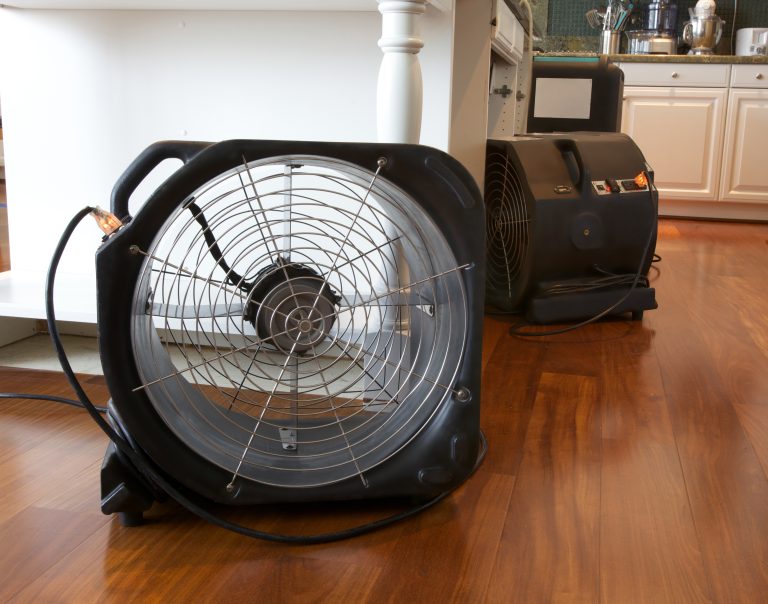
Standing water needs to be removed as quickly as possible. Technicians use truck-mounted and portable extraction equipment to remove water from carpets, padding, tile, and hardwood, while submersible pumps handle deeper water. Removing as much water as possible at the start helps speed up drying and can reduce the amount of material that needs to be removed.
- Truck-mounted and portable extraction
- Submersible pumps for deep standing water
- Wet carpet and pad removal or salvage
Burst and Frozen Pipe Damage
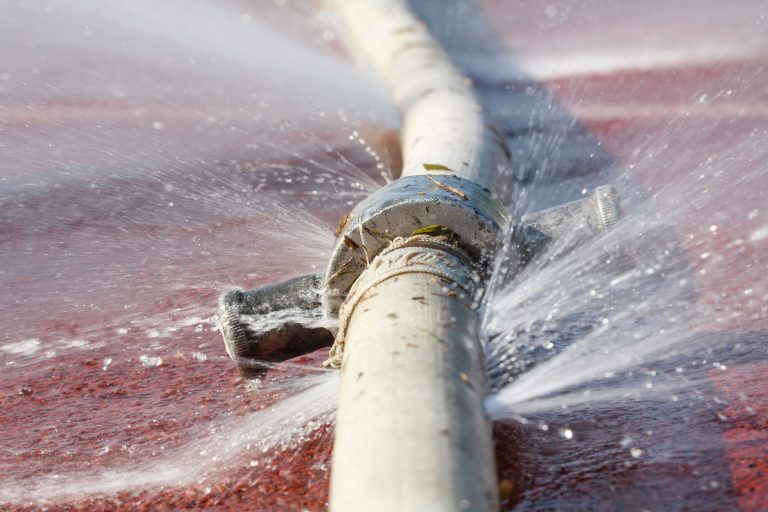
A burst pipe can release hundreds of gallons before anyone notices, especially in a shore home that sits closed up between seasons. Once the line is shut off, the crew opens affected walls and ceilings only where needed, removes the water inside them, and dries the framing so your plumber can make the permanent repair.
- Wall and ceiling cavity drying
- Damage from slab, supply and drain line leaks
- Seasonal and vacant-home pipe breaks
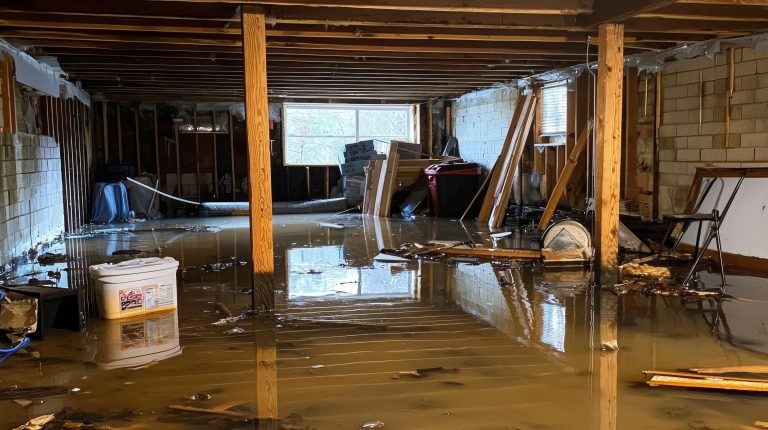
Flooded Basement and Sewage Backup Cleanup
Heavy rain, a failed sump pump, or a backed-up main line can leave a basement under several inches of water. Because sewage and floodwater can carry harmful bacteria and other contaminants, crews use appropriate protective equipment, remove materials that cannot be safely cleaned, and thoroughly disinfect affected surfaces before the drying process begins.
- Sump pump failure and groundwater flooding
- Sewage and toilet overflow cleanup
- Cleaning and disinfection of affected areas
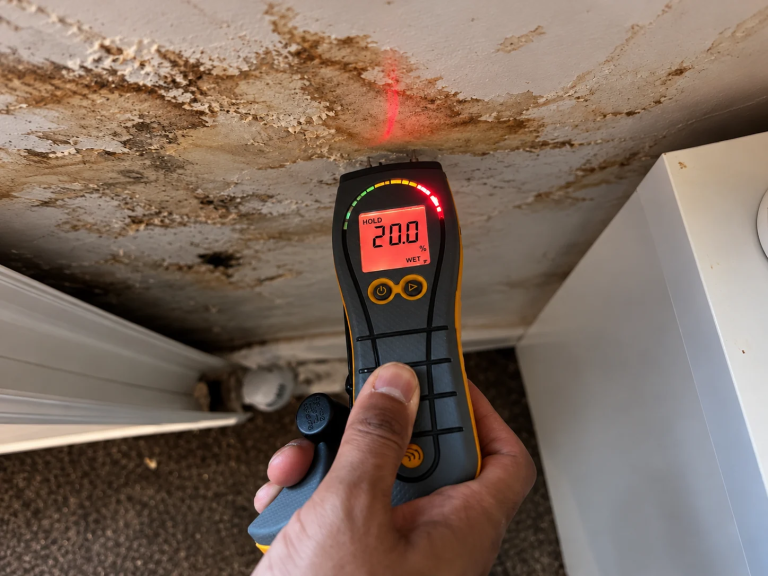
Structural Drying and Moisture Mapping
Dry to the touch doesn’t necessarily mean dry. Technicians use moisture meters and thermal imaging to identify moisture hidden in floors, walls, and ceilings, then position air movers and dehumidifiers based on their findings. Moisture readings are documented at each visit, and the job isn’t considered complete until affected materials return to normal moisture levels.
- Moisture mapping of floors, walls and ceilings
- Commercial air movers and dehumidifiers
- Daily readings shared with your adjuster
Know Your Water Category
The source of the water determines how it must be handled and cleaned. Restoration professionals classify water damage into three categories under the IICRC S500 standard, with each category requiring a different level of cleaning, protection, and restoration.
Clean water
Supply line, faucet, water heater.
Usually dried and saved if handled quickly.
Gray water
Washer, dishwasher, sump overflow.
Needs cleaning and treatment along with drying.
Black water
Sewage, outside floodwater, storm surge.
Porous materials it reached are usually removed.
Water left sitting for a day or two can move up a category, which is one more reason to start extraction early.
Direct Insurance Billing, Start to Finish
Garden State Restoration can bill your insurance company directly, so you don’t have to cover the full cost of mitigation upfront and wait for reimbursement. Crews document the affected areas with 360-degree photos and a detailed floor plan, then provide your adjuster with moisture readings and a clear scope of work. As part of the QRV network used by major insurance carriers, the team is familiar with the documentation and processes adjusters expect, helping reduce back-and-forth and keep the approval process moving.
Your Water Damage Claim Checklist
6 stepsTake these steps in order. Missing documentation or delaying the initial report can slow down the claims process, so it helps to start documenting the damage as soon as it is safe to do so.
- Stop the source, close the main water valve, and switch off power to wet rooms if you can reach the panel safely.
- Report the loss to your insurer right away and note the claim number and your adjuster’s name.
- Photograph and video every wet room, including ceilings, baseboards, and the leak itself, before anything is moved or thrown out.
- Set aside damaged belongings, or photograph them with labels, until the adjuster says they can go.
- Keep receipts for hotel nights, meals, fans, and anything else you buy because of the loss.
- Ask the restoration company for a written, itemized estimate and copies of its drying records.
What Affects the Cost?
No two water restoration projects are priced the same. After an on-site inspection, these five things affect the cost the most:
One Team for Every Stage of Recovery
Water damage may be the most common reason to call, but property damage can take many forms. Garden State Restoration provides the services needed to stabilize your property, protect what can be saved, and begin putting everything back in order. From fire and storm damage restoration to reconstruction, board-up and tarping, and content cleaning, the team can help manage the recovery from the initial emergency through the final repairs.
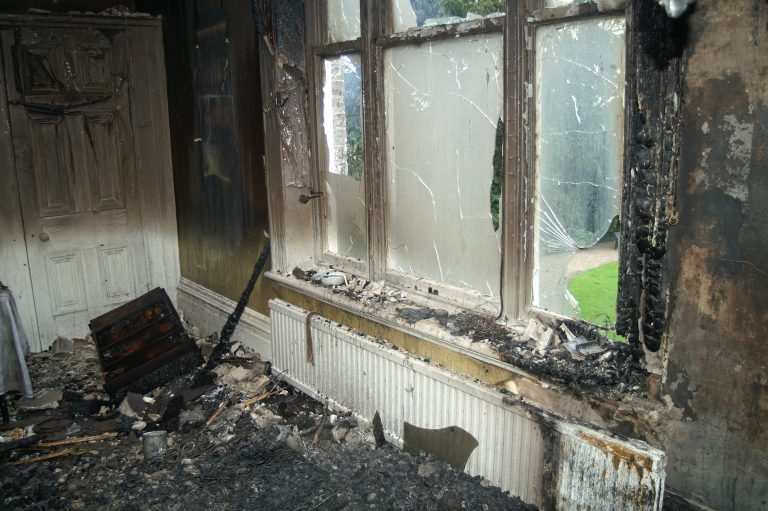
Fire and Smoke Damage
Once the fire department clears the building, the restoration process can begin. Crews remove soot, clean smoke residue from walls, ceilings, and HVAC surfaces, and treat persistent odors. Because soot is acidic and can begin damaging finishes within days, prompt cleaning can help preserve more of the property. At the same time, crews extract and dry water left behind by firefighting efforts to prevent additional damage.
- Soot and smoke residue cleaning
- Odor removal and deodorization
- Extraction of firefighting water
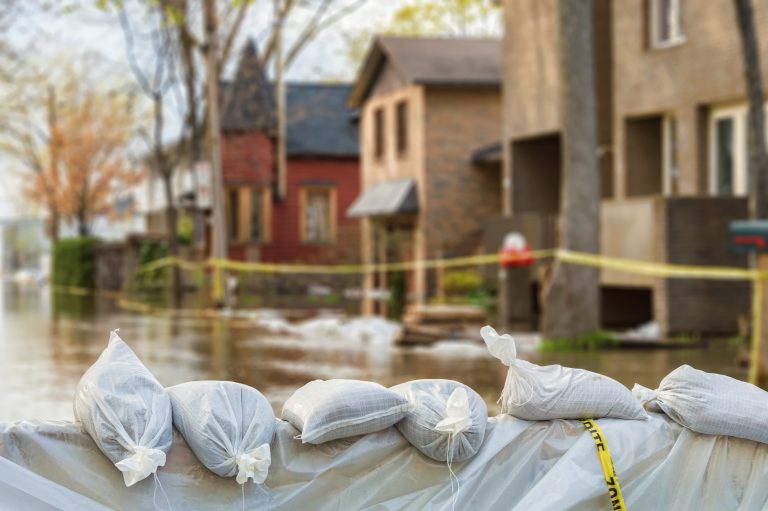
Storm and Flood Damage
Nor’easters, hurricane remnants, and tidal flooding can hit shore communities hard. Crews remove floodwater and storm debris, dry affected lower levels, and address water that enters through damaged roofs, siding, and other openings. During major regional storms, the team remains available around the clock to respond when property damage occurs.
- Coastal and tidal flood cleanup
- Wind and wind-driven rain damage
- Storm debris removal
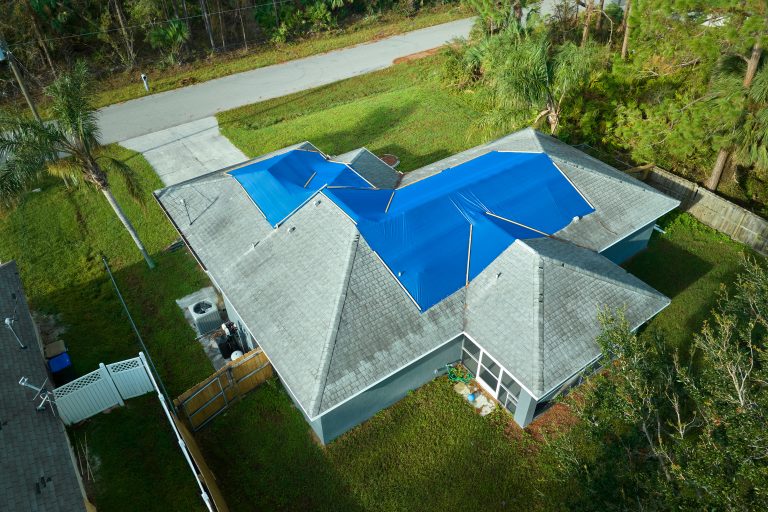
Board Ups and Tarping
A broken window or damaged roof can leave a property exposed to rain, wildlife, and unauthorized entry. Crews can board up broken windows and other openings and place protective tarps over damaged roofs the same day, helping limit further damage while supporting the policyholder’s responsibility to mitigate additional loss.
- Window and door board-up
- Emergency roof tarping
- Water intrusion prevention
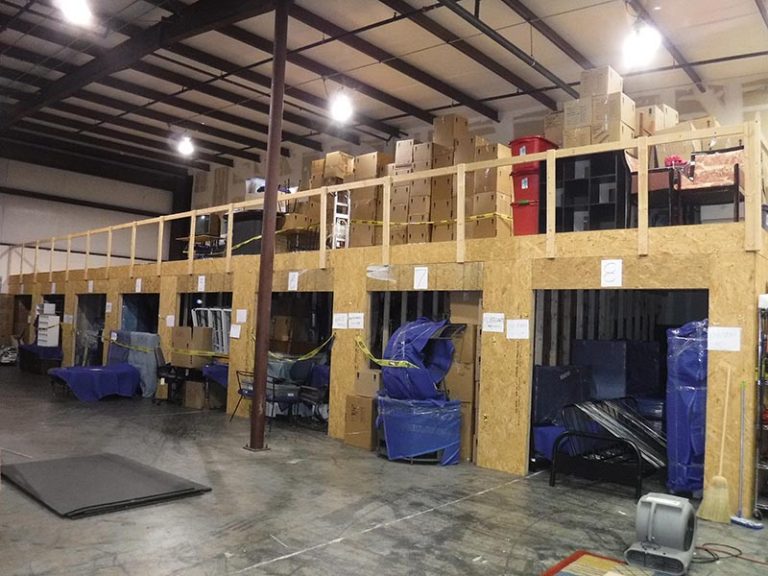
Contents Pack-Out and Cleaning
Furniture, electronics, documents, and keepsakes can often be saved when they’re removed quickly. Technicians carefully inventory and pack your belongings, clean and restore items as needed, and move them to a secure storage facility while work continues at the property. This helps protect your possessions from further damage and keeps them organized throughout the restoration process.
- Itemized inventory for your claim
- Cleaning of furniture, textiles and hard goods
- Secure storage until move-back
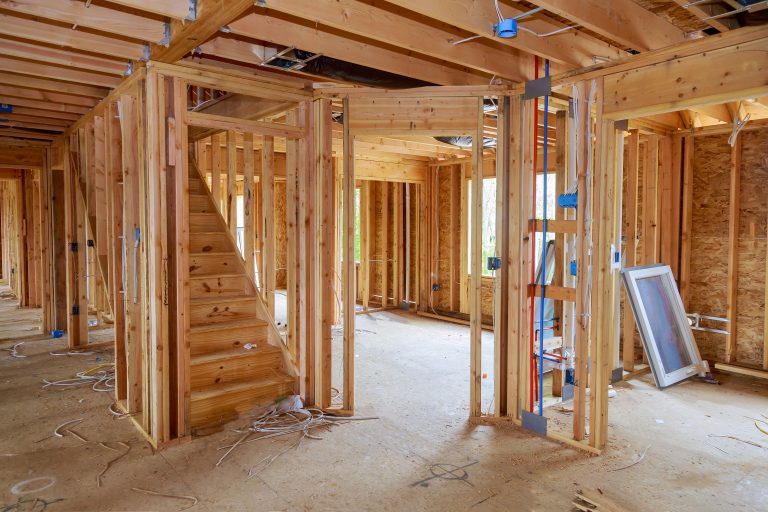
Reconstruction
Once the property is clean and dry, Garden State Restoration can handle the reconstruction, from drywall and flooring to cabinets, trim, and paint. Because the same team manages both mitigation and repairs, there’s no need to coordinate with a separate contractor, and the reconstruction scope is already based on the documented damage and approved work.
- Drywall, flooring, cabinets and trim
- Scope aligned with your insurance estimate
- Building code compliance
Properties We Serve
Garden State Restoration works on single-family homes, shore rentals, and second homes, as well as commercial buildings where downtime costs money.
Multi-family & condo associations
Leaks that cross units, shared walls and board or property manager sign-off.
Commercial offices
After-hours work and phased drying so staff can keep working.
Healthcare facilities
Containment around patient areas and documented cleaning.
Schools
Scheduling around class days, breaks and safety requirements.
Industrial spaces
Large-volume extraction, high-capacity drying and equipment protection.
Serving Manasquan and the Jersey Shore
Based in Manasquan, Garden State Restoration serves homes and businesses across Monmouth, Ocean, Atlantic, and Cape May Counties, from the northern shore down through South Jersey.
Don’t see your town? Call (609) 557-3331 to check coverage.
Garden State Restoration FAQs
Do you bill my insurance directly?
Yes. Garden State Restoration bills your insurance company directly and sends your adjuster photos, a floor plan, moisture readings, and a written scope. You’re typically responsible only for your deductible and anything your policy doesn’t cover.
Does homeowners insurance cover flood damage?
Usually not. Standard homeowners policies exclude flooding from outside sources such as storm surge, tidal flooding, and rising water, which requires separate flood insurance through the National Flood Insurance Program or a private insurer. Sudden water damage from inside the home, like a burst pipe, is often covered. Check your policy or ask your agent.
Can I stay in my home during cleanup?
Often, yes. For a clean-water leak confined to one or two rooms, most families stay while the drying equipment runs. Sewage backups, floodwater, fire damage or a loss of power or heat usually mean staying elsewhere for a while, and the crew will tell you after the first inspection.
How quickly can a crew get to my property?
Garden State Restoration answers calls 24 hours a day, 365 days a year and dispatches crews at night, on weekends and on holidays. Arrival times depend on your location and conditions, and the dispatcher can give you an estimate when you call (609) 557-3331.
How long does it take to dry out a water-damaged home?
Structural drying usually takes three to five days, depending on how much water there was, how long it sat and which materials got wet. Technicians check moisture at each visit and remove equipment only when readings are back to normal. Repairs and rebuilding come after that.
What areas does Garden State Restoration serve?
The company is based in Manasquan and serves Monmouth, Ocean, Atlantic and Cape May Counties, including Brielle, Point Pleasant, Brick, Howell, Toms River, Manahawkin, Ocean City, Egg Harbor Township, Hammonton and Wildwood.
Do you work on commercial properties?
Yes. Garden State Restoration handles water, fire, and storm damage for condo associations, multi-family buildings, offices, healthcare facilities, schools and industrial sites, and schedules work to limit disruption to tenants and operations.
Water Damage? Get a Crew Dispatched Now
Every hour water sits, it spreads further into floors and walls. Call Garden State Restoration any time, day or night, and a crew will head your way with extraction and drying equipment.