Disaster Restoration and Recovery
When a pipe bursts in a Sunset District flat or wildfire smoke seeps into a Noe Valley condo, Disaster Restoration and Recovery can send a crew around the clock. Their professionals handle water damage restoration and extraction, fire and smoke cleanup, mold remediation, trauma scene cleaning and repairs for homes and businesses from San Francisco down the Peninsula.
Goes directly to Disaster Restoration and Recovery. No cost to request, no obligation. For active flooding or fire damage, calling is fastest.
About Disaster Restoration and Recovery
Disaster Restoration and Recovery is a San Francisco restoration company that responds to water, fire, mold and trauma losses around the clock. Its technicians have IICRC, AMRS and IAQA training, allowing the same crew to dry a flooded garage, remove smoke residue from cabinets or establish mold containment.
San Francisco properties present their own challenges. Many homes are pre-1940 Victorians and Edwardians with aging galvanized plumbing, while residents often share walls, ceilings, and pipes in flats, condos and apartment buildings. A leak on the third floor rarely stays there. The crew documents where water traveled and which units were affected, helping when an HOA policy and multiple owners’ policies are involved.
Beyond emergency restoration, Disaster Restoration and Recovery also provides cleanup services that many restoration firms refer out, including hoarding and estate cleanouts, deodorization, commercial carpet cleaning, and post-construction cleaning.
At a Glance
Services Disaster Restoration and Recovery Provides
Water Damage Restoration in San Francisco
From a dripping ceiling to a flooded garage, the goal is the same: find every affected surface, remove the moisture, and dry the area before mold or structural damage can develop.
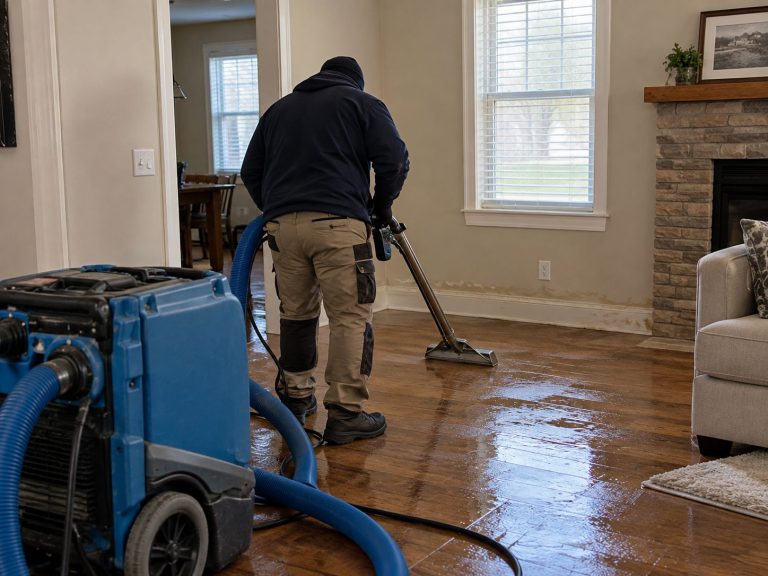
Emergency Water Removal
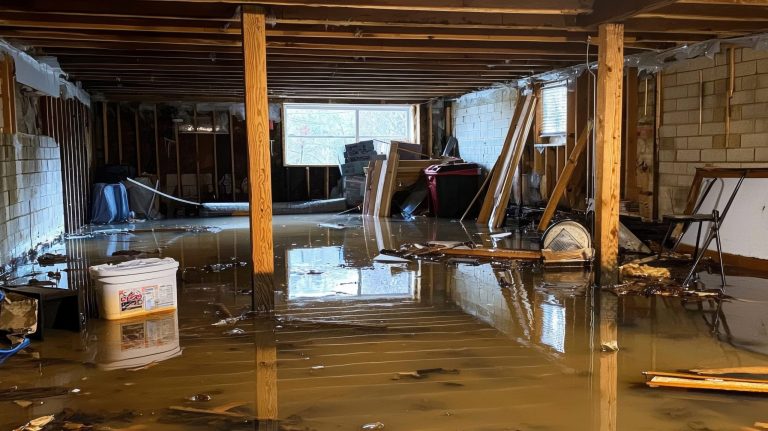
Standing water starts wicking into drywall, plaster, and subfloor within minutes. The crew pumps out pooled water, extracts carpet and padding with truck-mounted or portable units, and pulls baseboards where water has run behind them. Removing as much liquid as possible up front can shave days off the drying time.
- Pumping for flooded garages, basements and ground-floor units
- Carpet, pad and hardwood surface extraction
- Same-visit moisture mapping of walls and floors
Leaks in Flats, Condos and Apartment Buildings
In a stacked building, water from one unit can travel through ceilings, light fixtures, and wall cavities into two or three others. Technicians trace the path with moisture meters and thermal imaging, then dry each affected unit. The written record shows the source and the spread, which owners, tenants and the HOA’s adjuster usually all need.
- Source tracing across multiple units
- Unit-by-unit moisture readings and photos
- Coordination with property managers and HOAs
Storm and Rain Intrusion
Winter atmospheric rivers can drop several inches of rain on the city in a day or two. Water gets in through older roofs, failed window flashing, and hillside garages with drains that can’t keep up. The crew stops the active intrusion where possible, removes soaked materials, and dries the structure.
- Roof and window leak response
- Garage and below-grade flooding cleanup
- Temporary tarping or board-up
Sewage Backups and Contaminated Water
A backed-up sewer lateral or overflowing toilet brings bacteria into the home. Unlike a clean supply-line leak, this water can’t just be dried. Technicians wear protective gear, remove porous materials the water reached, then clean and disinfect what’s left.
- Sewage and toilet overflow cleanup
- Removal of contaminated carpet, pad and drywall
- Antimicrobial cleaning and odor control
Structural Drying and Monitoring
Old-growth hardwood floors and lath-and-plaster walls hold water differently than modern drywall. The team places air movers and dehumidifiers based in areas affected by water, then checks readings on return visits until materials reach dry standards. Drying in place often saves floors and walls that would otherwise be torn out.
- Dehumidifiers and air movers sized to the space
- Hardwood floor and plaster drying
- Daily or regular moisture logs
Fire Damage Restoration and Smoke Cleanup
Soot can continue damaging surfaces after the flames are out, so cleanup should begin as soon as possible, ideally within a day or two.
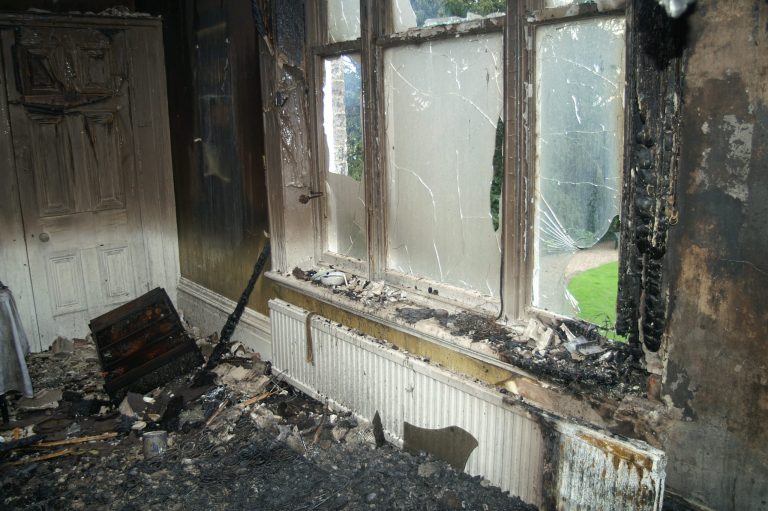
Fire Damage Cleanup
Soot and acidic residue settle on walls, fixtures, and electronics, and they can stain or corrode them if left in place. The crew removes debris, HEPA-vacuums loose soot, and cleans surfaces with methods matched to the type of residue. Items that can be restored are separated from those that can’t, with photos for the adjuster.
- Debris removal and soot cleanup
- Surface cleaning for walls, ceilings and cabinets
- Water removal from firefighting efforts
Wildfire Smoke and Ash Cleanup
Bay Area homes can fill with smoke from fires burning many miles away. Fine ash gets into window tracks, HVAC returns, attic insulation and fabrics, and the smell can linger for weeks. Technicians clean ash from interior surfaces, replace or clean filters, and treat odor that ordinary airing out won’t remove.
- Ash removal from interiors and window tracks
- HVAC filter and return cleaning
- Fabric, drape and upholstery treatment
Odor Removal and Deodorization
Smoke, pet urine, mildew and decomposition odors soak into porous materials, so air fresheners only cover them for a while. The team finds the source, removes or cleans what’s holding the smell, then neutralizes what remains with tools like hydroxyl generators, thermal fogging or ozone in unoccupied spaces.
- Smoke and fire odor removal
- Pet, mildew and biohazard odors
- Odor sealing for framing and subfloors
Mold Remediation in San Francisco
San Francisco’s fog, mild temperatures and older, poorly insulated buildings can give mold a long season to grow and spread.
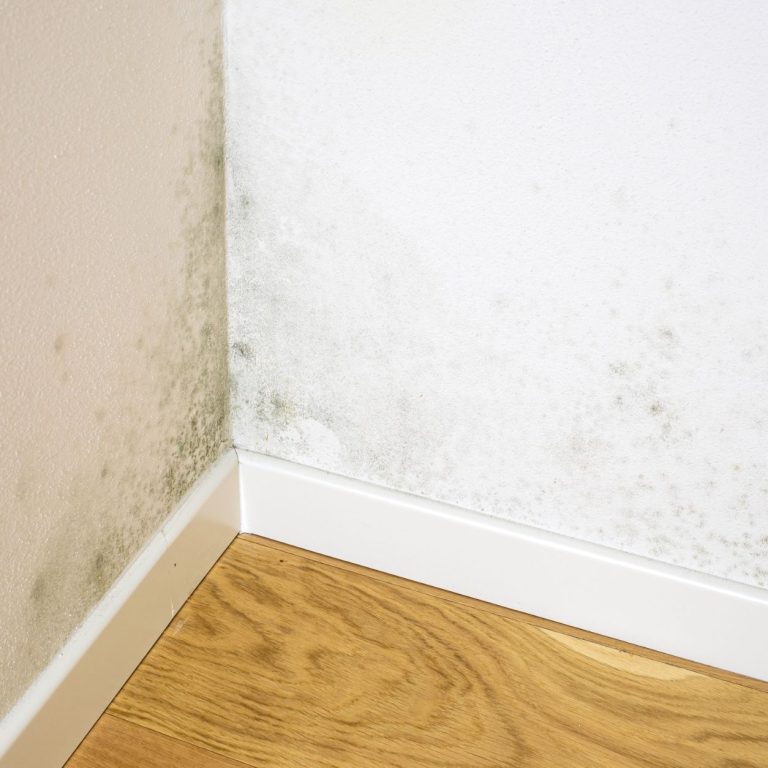
Mold Assessment
Mold you can see is usually only part of the problem. Technicians look for the moisture feeding it, whether that’s a slow plumbing leak, condensation on single-pane windows or a bathroom with no exhaust fan. You get a written scope of what needs to be removed and why.
- Moisture source investigation
- Checks of closets, crawl spaces, attics and wall cavities
- Written remediation scope
Containment and Removal
Disturbing mold without precautions can spread spores into clean rooms. The crew seals off the work area with plastic sheeting, runs HEPA air scrubbers under negative pressure, and removes moldy materials that can’t be cleaned. Remaining surfaces are HEPA-vacuumed and treated before the containment comes down.
- Containment barriers and negative air pressure
- Removal of affected drywall, insulation and carpet
- HEPA cleaning of framing and contents
Keeping it from Coming Back
If the moisture source stays, the mold returns. After removal, the team points out what needs fixing, such as ventilation, drainage or a leaking pipe, and can dry the structure so repairs start on a dry surface.
- Moisture-source recommendations
- Post-removal drying
- Repair and rebuild of removed areas
Biohazard, Cleanout and Rebuild Services
Some jobs require discretion, some require a moving truck, and others require a contractor. These services cover all three.
Trauma Scene and Biohazard Cleanup
After an injury, unattended death, or crime, blood and bodily fluids can carry bloodborne pathogens. Trained technicians remove and dispose of contaminated materials under biohazard rules, disinfect the area, and remove odor. They work quietly, in unmarked vehicles where possible and with respect for the family.
- Blood and bodily fluid cleanup
- Unattended death and decomposition cleanup
- Biohazard waste transport and disposal
Hoarding and Estate Cleanouts
Hoarding cleanups start with a conversation. The team meets the person living in the home, agrees on a plan, then sorts, cleans, and sanitizes while setting aside valuables, important documents, and keepsakes. Families settling an estate get the same careful sorting before a sale or move.
- Three-phase approach: connect, clean, follow up
- Sorting and salvage of valuables and documents
- Sanitizing and odor removal
Contents Pack-Out and Cleaning
When a property isn’t safe to work in, the crew inventories and packs belongings and moves them to a secure facility for cleaning and storage. Furniture, clothing, electronics, and keepsakes come back cleaned once repairs are done. Smaller jobs can be cleaned on-site.
- Itemized inventory with photos
- Off-site cleaning and storage
- On-site cleaning for smaller losses
Reconstruction and Repairs
Once the structure is clean and dry, repairs can start without bringing in another contractor. The scope is built from the same moisture logs and photos the adjuster has already seen. In San Francisco that can include permits through the Department of Building Inspection.
- Drywall, flooring, paint and trim
- Kitchen and bath rebuilds
- Scope aligned with the insurance estimate
Post-Construction and Commercial Carpet Cleaning
Renovations leave fine dust in vents, on ledges, and inside cabinets. Crews clean finished spaces so they’re ready to occupy. For offices and retail spaces, Disaster Restoration and Recovery also offers commercial carpet cleaning to remove ground-in soil and stains from high-traffic areas.
- Final construction dust cleanup
- Debris and fastener removal
- Commercial carpet deep cleaning
Bay Area Damage Guide
What usually goes wrong in Bay Area properties, and what to do first.
Local weather, older buildings and regional geology all influence the damage restoration problems crews see most often. Use this guide to take the right first step while you wait for professional help.
Common Causes of Property Damage in San Francisco
Winter storm or atmospheric river
What it usually damages: Roofs, window frames, garages and below-grade rooms
Your first step: Move belongings off wet floors and photograph where water is entering
Leak from a unit above
What it usually damages: Ceilings, light fixtures, wall cavities in two or more units
Your first step: Tell the upstairs neighbor and building manager, and shut off power to wet fixtures
Sewer lateral or toilet backup
What it usually damages: Floors, lower walls, carpet and pad
Your first step: Stay out of the water and stop using drains until it’s cleared
Wildfire smoke from a distant fire
What it usually damages: HVAC systems, fabrics, attic insulation
Your first step: Keep windows closed, run a HEPA purifier and change the HVAC filter
Earthquake
What it usually damages: Water supply lines, water heaters, chimneys
Your first step: Shut off water at the main if pipes broke, and leave if you smell gas
Fog and poor ventilation
What it usually damages: Closets, bathrooms, north-facing walls
Your first step: Find and fix the moisture source before cleaning the mold
Can the water just be dried out?
The IICRC S500 standard classifies water by its level of contamination, which helps determine what can be dried and what must be removed and discarded.
Clean
Typical source: Supply line, faucet, ice maker line
Can wet materials be saved? Often yes, if drying starts within a day or two
Gray
Typical source: Dishwasher, washing machine, aquarium
Can wet materials be saved? Some can be cleaned and dried; carpet pad is often removed
Black
Typical source: Sewage, outdoor floodwater, long-standing water
Can wet materials be saved? Porous materials usually have to be removed
Water that starts clean can be reclassified as it sits and picks up contaminants, which is one more reason to call early.
Handle it yourself or call a professional?
Spill or small leak
DIY is reasonable: Wiped up within hours, nothing soaked in
Call a professional: Water reached walls, subfloor or another unit
Mold
DIY is reasonable: A patch under about 10 square feet on a hard surface (EPA guidance)
Call a professional: Larger areas, mold in HVAC, or mold after sewage
Smoke
DIY is reasonable: Light odor after airing out for a day
Call a professional: Soot on surfaces, odor that returns, or any fire inside the home
Biohazard
DIY is reasonable: Never
Call a professional: Always; blood and bodily fluids need trained handling
Insurance Claims and Cost
Filing a property damage claim in California
Seven Steps to Take After Property Damage
7 stepsA well-documented claim usually means fewer delays. These steps apply whether you own a house, condo or commercial property.
- Make it safe: Shut off water or power to the affected area, and leave if you smell gas or see structural damage.
- Record everything before cleanup: Take wide photos of each room, then close-ups of damaged items, ceilings, and floors.
- Report the loss: Call your carrier, get a claim number, and write down the adjuster’s name.
- In a condo or apartment, notify the HOA or landlord: The building’s master policy and your own HO-6 or renters policy may each cover different parts of the damage.
- Prevent more damage: Most policies require reasonable steps, such as extraction, tarping or board-up. Keep the invoices.
- Track your extra costs: Save receipts for hotels, meals, and storage if you can’t stay in the home. Many policies reimburse these as additional living expenses.
- Get an itemized estimate: Ask for a written scope with moisture readings and photos you can send to the adjuster.
Standard homeowners policies usually exclude flood and earthquake damage, which need separate coverage. If a claim stalls, the California Department of Insurance consumer hotline is 1-800-927-4357 (CDI).
What Drives the Cost of Restoration
Every estimate follows an on-site inspection. These factors affect the cost the most:
Restoration Service Across San Francisco and the Bay Area
Disaster Restoration and Recovery is based in San Francisco and sends crews to homes and businesses in four Bay Area counties: San Francisco, San Mateo, Santa Clara and Alameda.
Not sure if your address is covered? Call (415) 532-1836 and the dispatcher will confirm.
Disaster Restoration and Recovery FAQs
Have a question that isn’t here? Call (415) 532-1836.
What does Disaster Restoration and Recovery do?
The company restores homes and businesses after water damage, fire and smoke damage, mold growth and trauma, or biohazard incidents. They also offer reconstruction, content pack-out, deodorization, hoarding and estate cleanouts, commercial carpet cleaning, and post-construction cleaning.
Is Disaster Restoration and Recovery available 24/7?
Yes. The emergency line at (415) 532-1836 is answered around the clock, including nights, weekends, and holidays.
What areas does the company serve?
Crews cover San Francisco and communities in San Mateo, Santa Clara and Alameda counties, including South San Francisco, San Mateo, Palo Alto, San Jose, Oakland and Fremont.
How quickly should water damage be dried out?
As soon as possible. Mold can begin growing on damp materials within 24 to 48 hours, according to the EPA. Most structural drying jobs take three to five days once equipment is in place.
Who pays when water leaks from an upstairs unit in my building?
It depends on where the leak started and what each policy covers. The HOA’s master policy often covers common elements, while your own HO-6 or renters policy covers your interior and belongings. A clear record of the source and spread helps each adjuster sort it out.
Can the company remove wildfire smoke odor from my home?
Yes. Technicians clean ash from surfaces, treat fabrics and HVAC components, and use deodorization equipment to break down odor that airing out doesn’t fix.
Do they work with my insurance company?
The team documents damage with photos, moisture readings and itemized estimates for your adjuster.
Is trauma scene cleanup handled discreetly?
Yes. Biohazard cleanup is done by trained technicians who follow bloodborne pathogen safety rules and work with care for the family and neighbors.